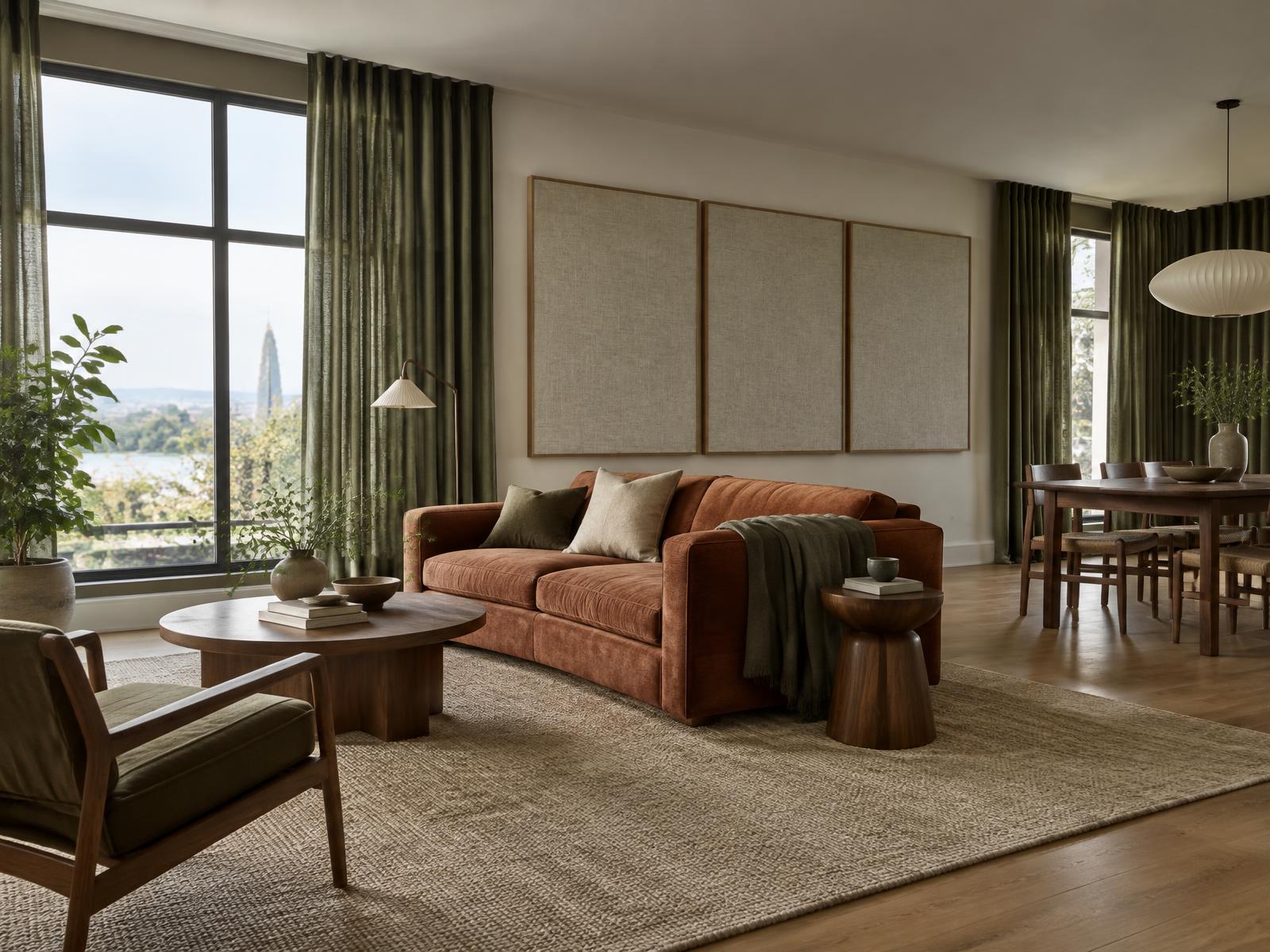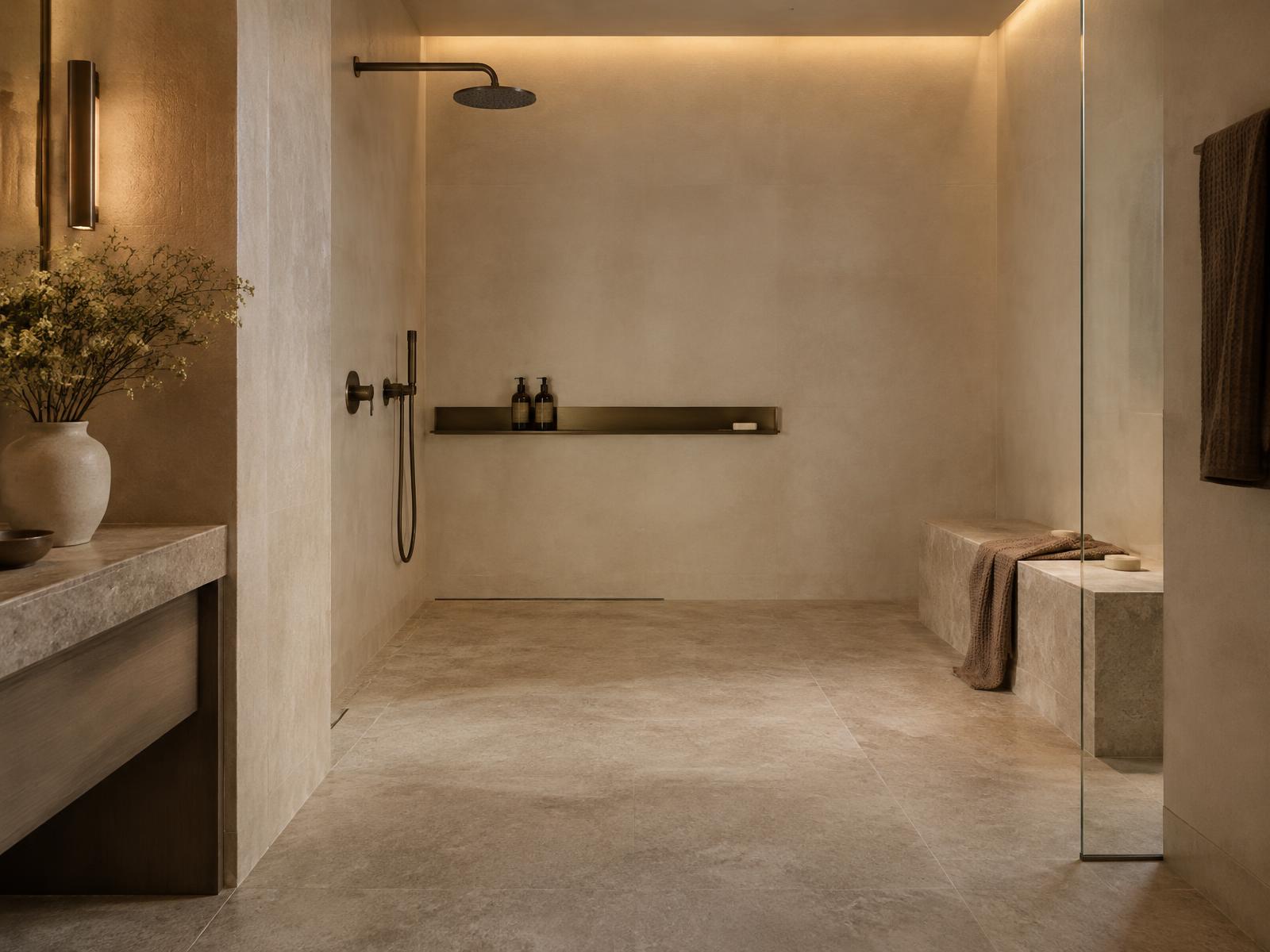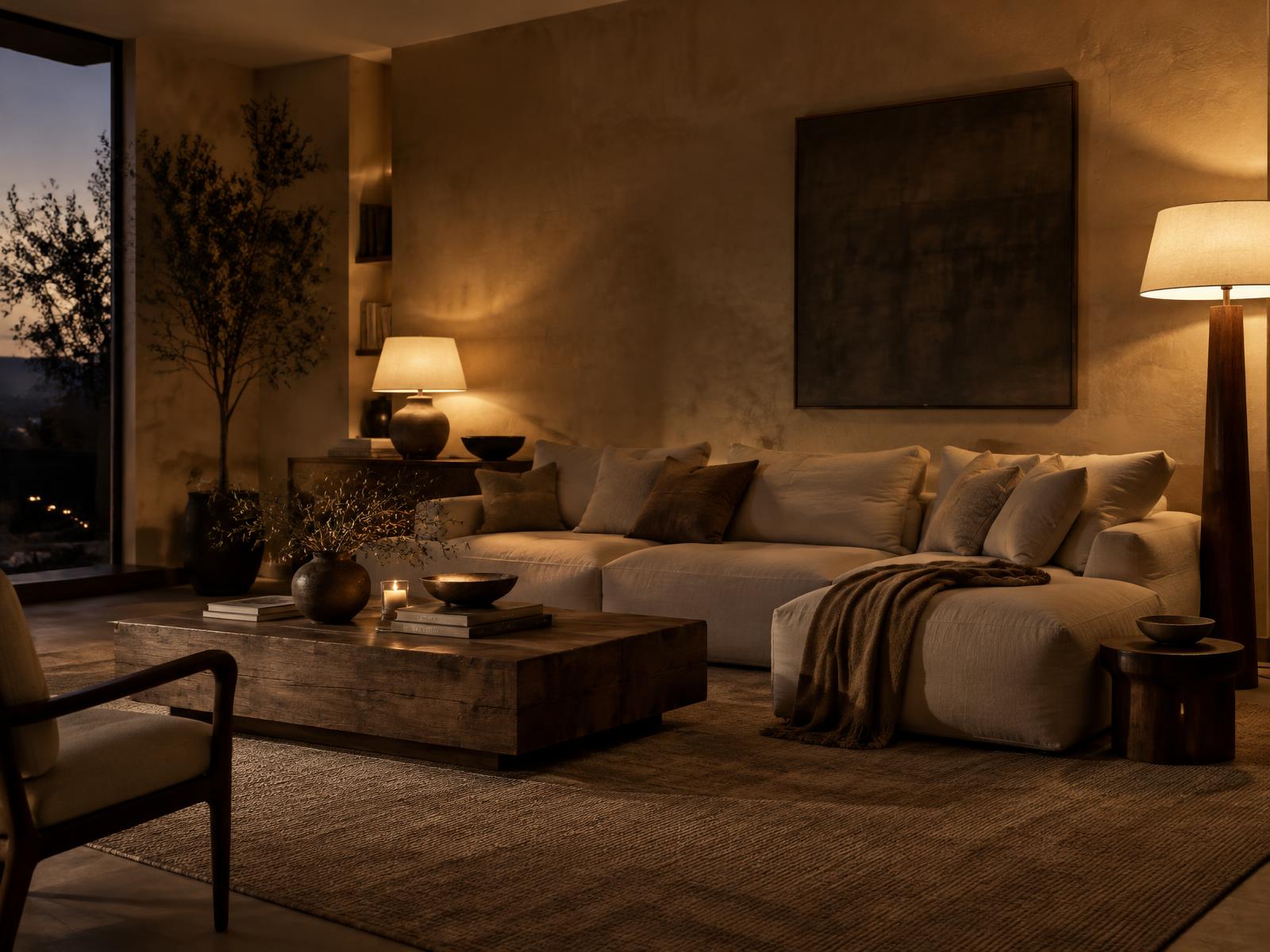
ADHD-friendly home organization starts with where you actually use things. Explore point-of-use storage, simple laundry zones, and the balance between visible reminders and visual calm.
A basket can be beautiful and still be in the wrong place. A carefully planned closet can hold everything except the things that end up on the chair beside it. When an organizing system repeatedly goes unused, I would rather question the system than the person.
For someone with ADHD, managing belongings may compete with attention, task initiation, and the demands of an already full day. Interior design cannot treat ADHD. It can, however, make everyday routines less cumbersome by changing where storage sits and how much effort it takes to use.
What Is Point-of-Use Storage?
Point-of-use storage means keeping an item close to the place you use it. The charging cable lives beside the seat where you charge your phone. The hamper sits where clothes usually come off. Cleaning supplies stay near the surface they clean, provided they can be stored safely.
The principle is simple: reduce the distance and decisions between using something and putting it away. It is a practical design approach, not a clinically validated treatment or a promise that one system will work for every ADHD household.
Start With the Pile, Not the Storage Catalog
Before buying containers, look at the places where belongings repeatedly collect. Those piles may reveal a missing destination, an inconvenient destination, or too many steps. A coat on the dining chair might mean the coat closet is too far from the entrance, not that you need a larger closet.
Choose one small area rather than reorganizing the whole home. CHADD recommends breaking organizing work into manageable steps. A single landing spot is a better place to begin than a weekend of redesigning every drawer.
- Notice the item: What keeps appearing here?
- Trace the routine: Where is it picked up, used, and set down?
- Count the steps: Does putting it away require a door, a lid, a stack, or another room?
- Try one change: Move an existing basket or hook before commissioning built-ins.
Three Everyday Zones Worth Rethinking
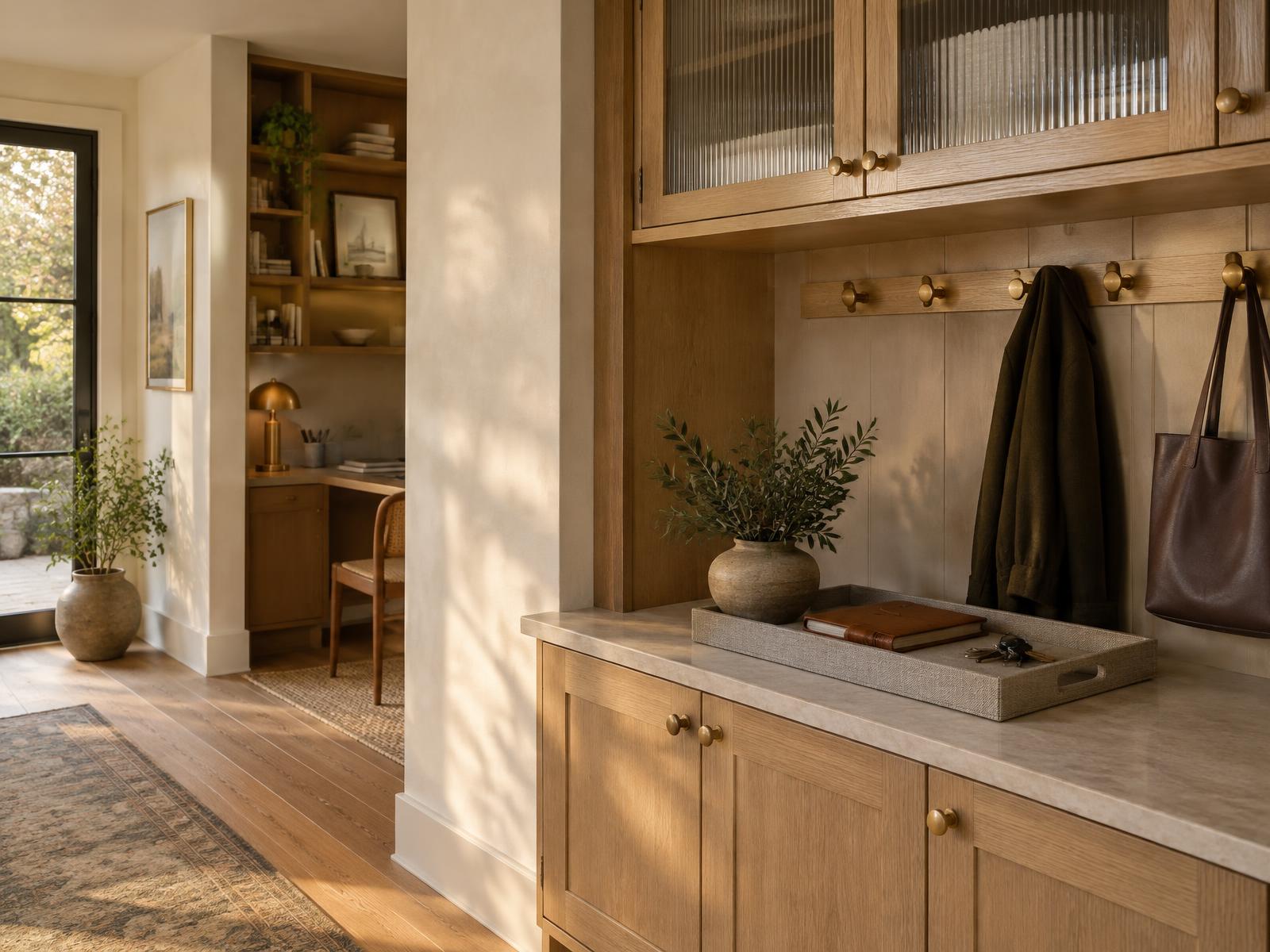
The Arrival Zone
Give keys, a bag, and the coat you wear most a defined home near the entrance. A shallow tray and a reachable hook may be more useful than deep cabinetry. Keep the route clear, and secure medication, private documents, and anything hazardous rather than leaving them in an open drop zone.
The Laundry Zone
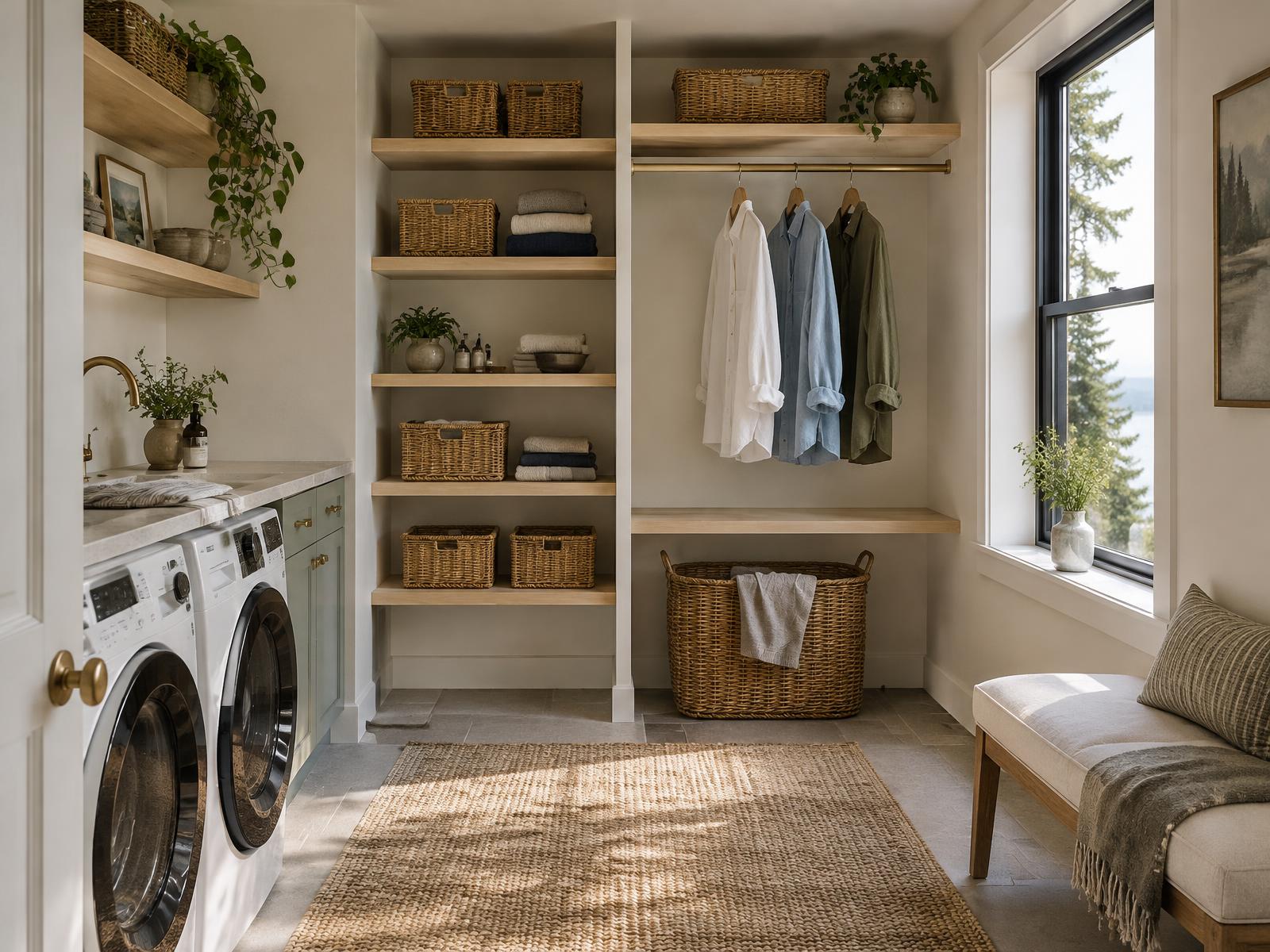
A hamper where clothes come off may work better than one hidden across the room. A nearby hanging rail can make air-drying or putting away a shirt more direct. If elaborate sorting repeatedly stalls the routine, try fewer categories. The goal is a usable system, not a photographed one.
The Daily Work Zone
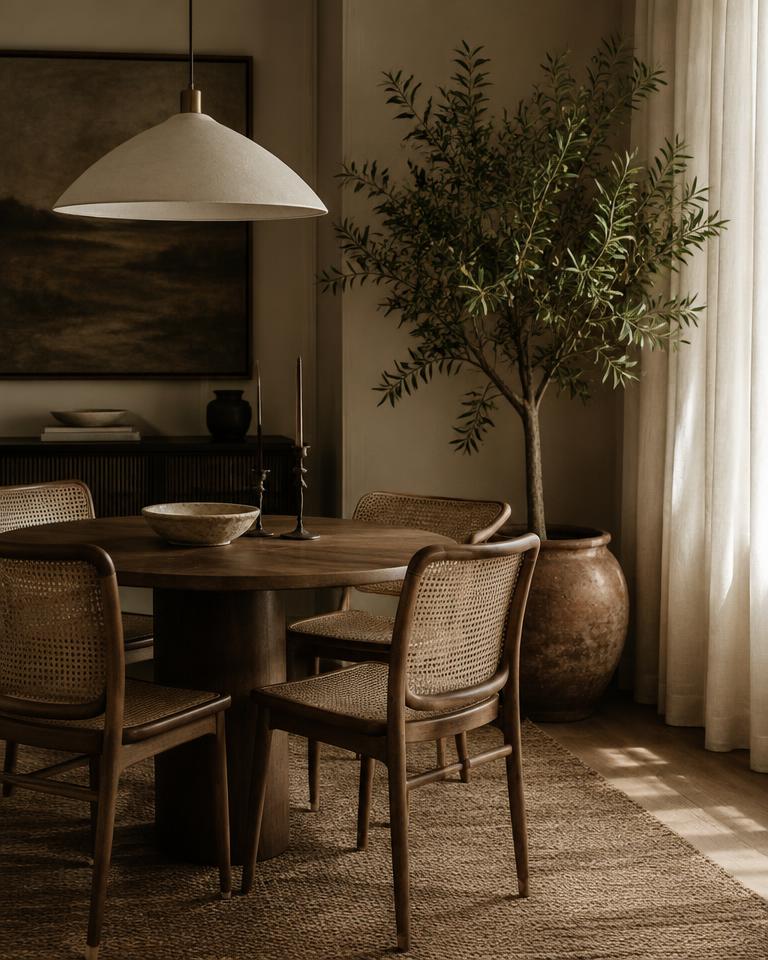
Keep the few tools needed for a recurring task together: a notebook and pen, the charger for a laptop, or the supplies for a hobby. A portable tray can bring them to a shared table and return them afterward. Avoid turning every surface into permanent storage.
Open or Closed Storage? Choose Both Deliberately
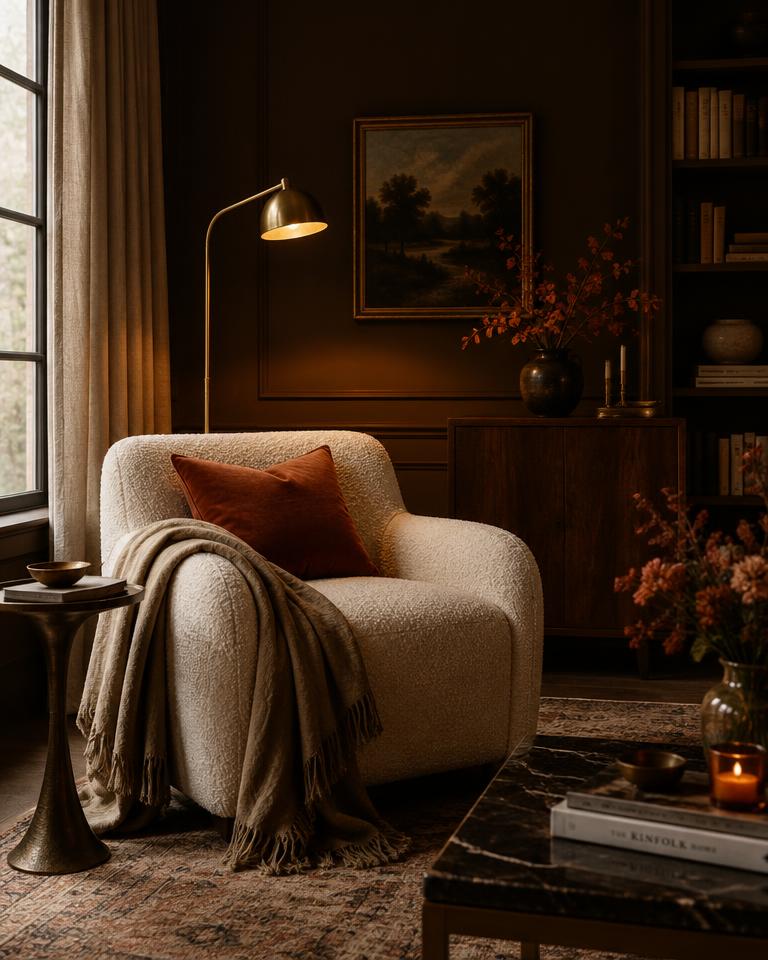
Visible belongings can be useful reminders for one person and distracting visual noise for another. Open shelving is not automatically ADHD-friendly. Neither is a wall of closed cabinets.
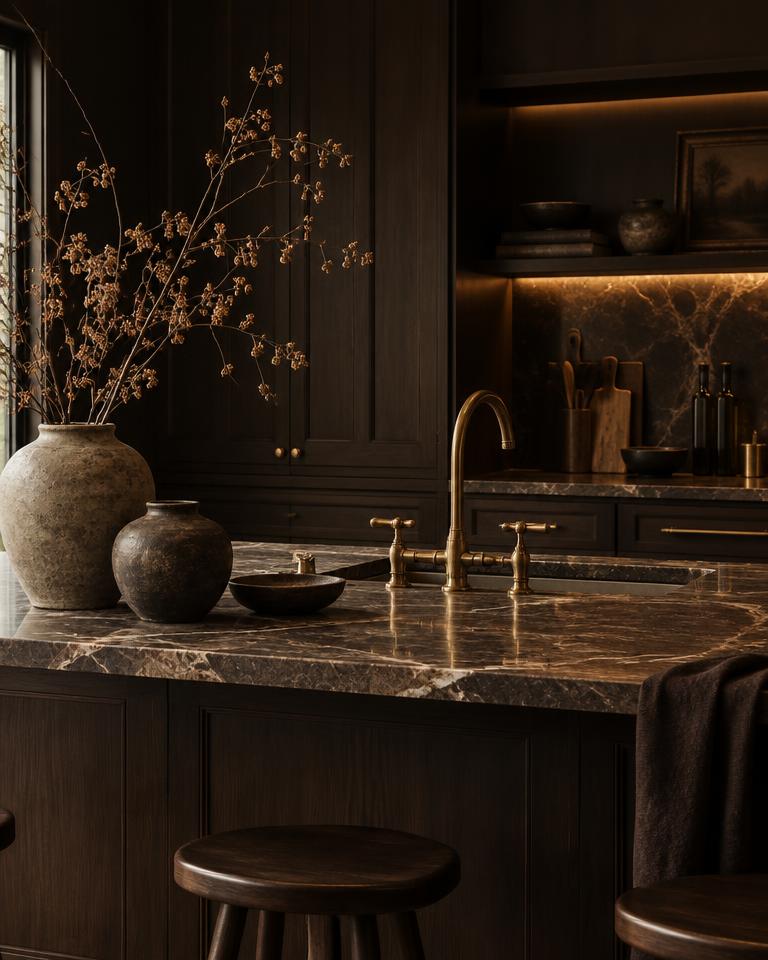
Try a hybrid: a small visible zone for frequently used items, with closed storage for backups and less-used belongings. Shallow drawers, easy-to-grasp handles, and containers that do not need unstacking can simplify access without exposing everything. Labels help only if the person using the system finds them helpful.
In a shared home, ask whose routine each zone serves. Children's reach, mobility, sensory preferences, and safe storage requirements matter more than matching baskets.
Keep the System That Survives an Ordinary Day
Use the arrangement through normal busy days, then review what still lands elsewhere. If a system needs constant correction, simplify it or move it. Occasional clutter does not mean the design has failed, and the aim is not a home that never looks lived in.
My design lens is the relationship between a person and a room: what the room invites, what it hides, and what it makes unnecessarily difficult. For the broader layout principles, read designing a home that supports executive function. Explore our interior design services if you want to translate those routines into a more considered space.
For a home designed around how you actually live, begin the conversation.
Sources and Further Reading
- CHADD: Organizing the Home and Office Space, guidance on manageable organizing steps.
- CHADD: Tips for Organizing Your Home, practical ideas for simpler home systems.
This article offers interior design guidance, not medical advice. Storage examples are suggestions to adapt to your household, not evidence of symptom improvement. Consult a qualified healthcare professional for ADHD assessment or treatment.