Your body reads a room before your mind forms an opinion about it. Texture, sound, and touch shape whether a space feels restful or quietly overwhelming, especially for people with sensory sensitivities.
Walk into a room and, within seconds, your body has already made a judgment. Before you notice the color of the walls or the shape of the sofa, you have registered the echo, the temperature of the floor, the glare off the counters, and whether anything around you invites touch.
That first response is sensory, not intellectual.
A room can look beautiful and still feel quietly exhausting.
For people with sensory sensitivities, including many autistic and ADHD adults, highly sensitive people, and anyone recovering from a demanding day, those signals are louder. Designing for the senses is not a niche request. It is designing for how all of us actually experience a home.
What texture tells the body
Hands and feet are constantly gathering information. Smooth, cold, uniform surfaces like high-gloss laminate, polished porcelain, and plastic give the body very little to hold on to. They can read as clean, but also as unsettled.
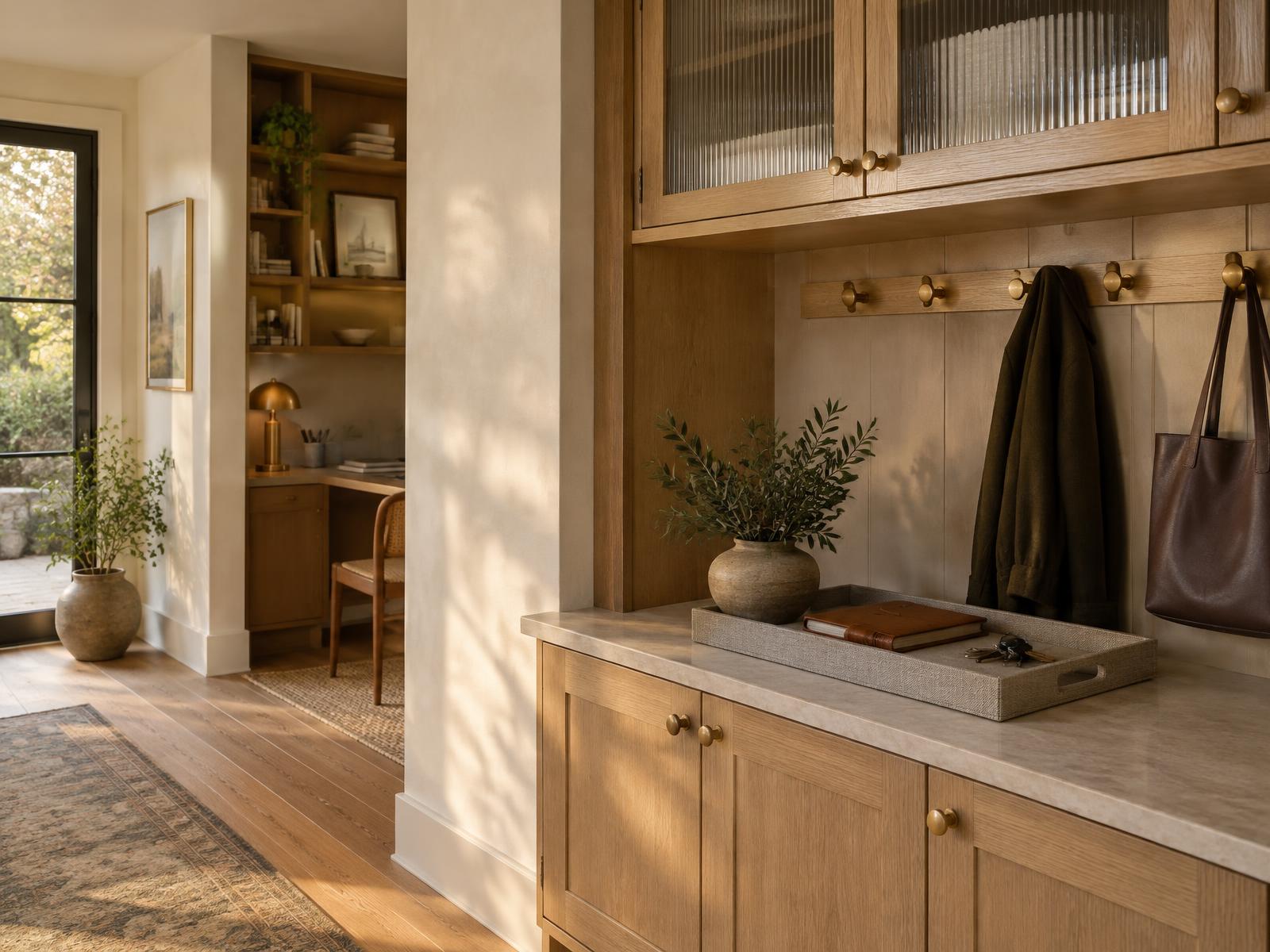
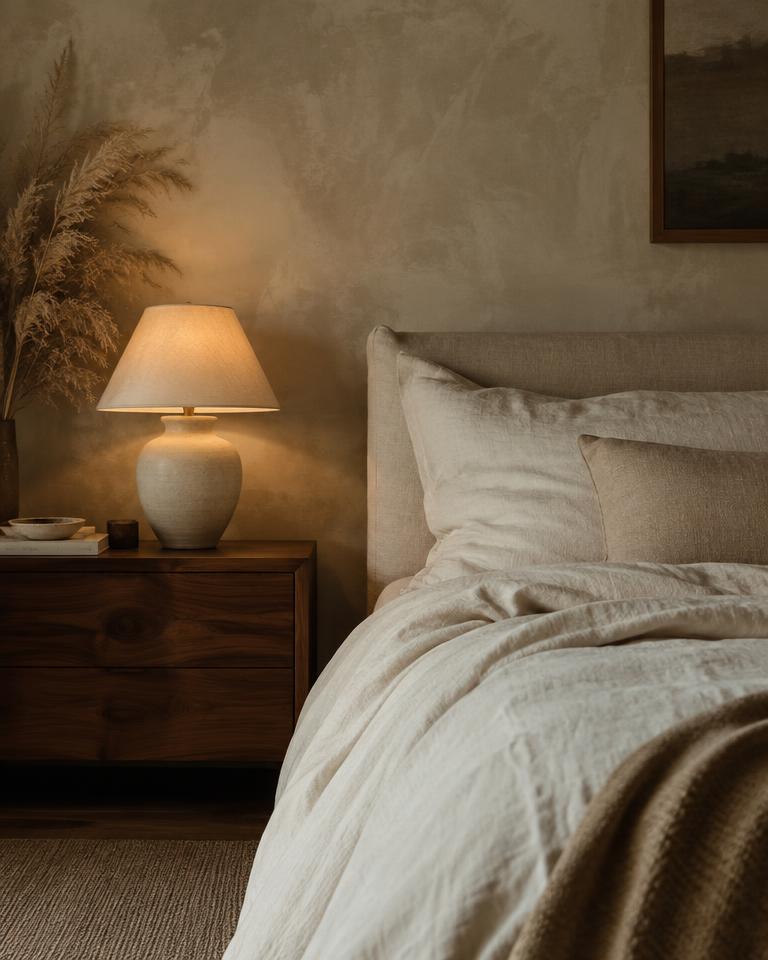
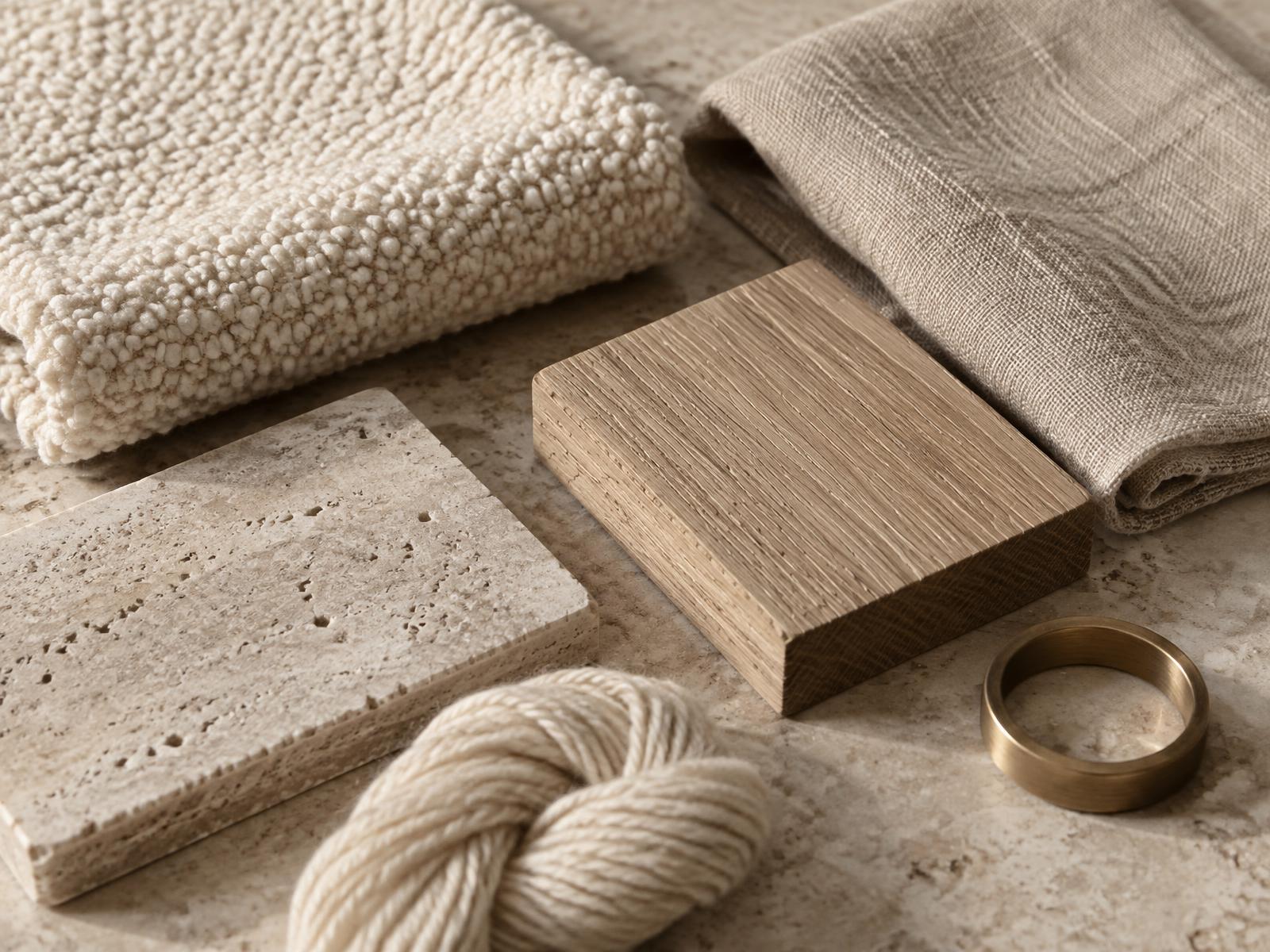
Natural, tactile materials offer variation at a small scale. The slight grain of oak, the softness of a slubbed linen, the cool weight of honed stone, the gentle drag of lime plaster. These surfaces invite contact and tend to feel grounding rather than sterile.
Materials I return to for calm, tactile rooms:
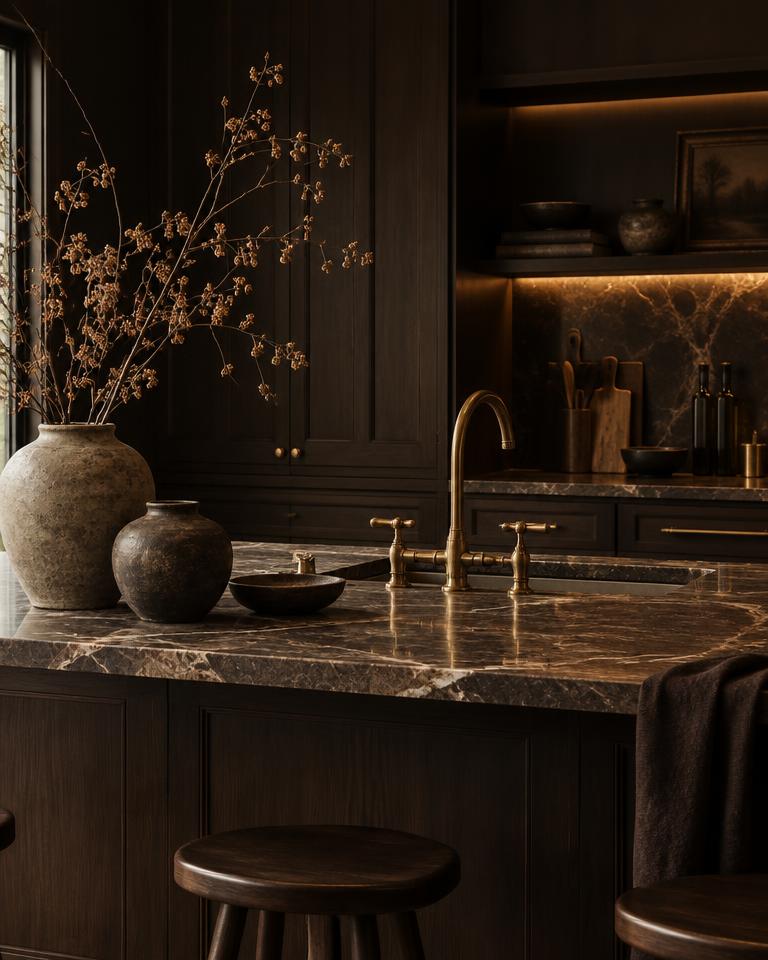
- Honed or tumbled stone instead of high-polish, to reduce glare and add a soft hand.
- Lime plaster or limewash on walls for depth that shifts gently with light.
- Wire-brushed or oiled wood that feels warm underfoot and under the palm.
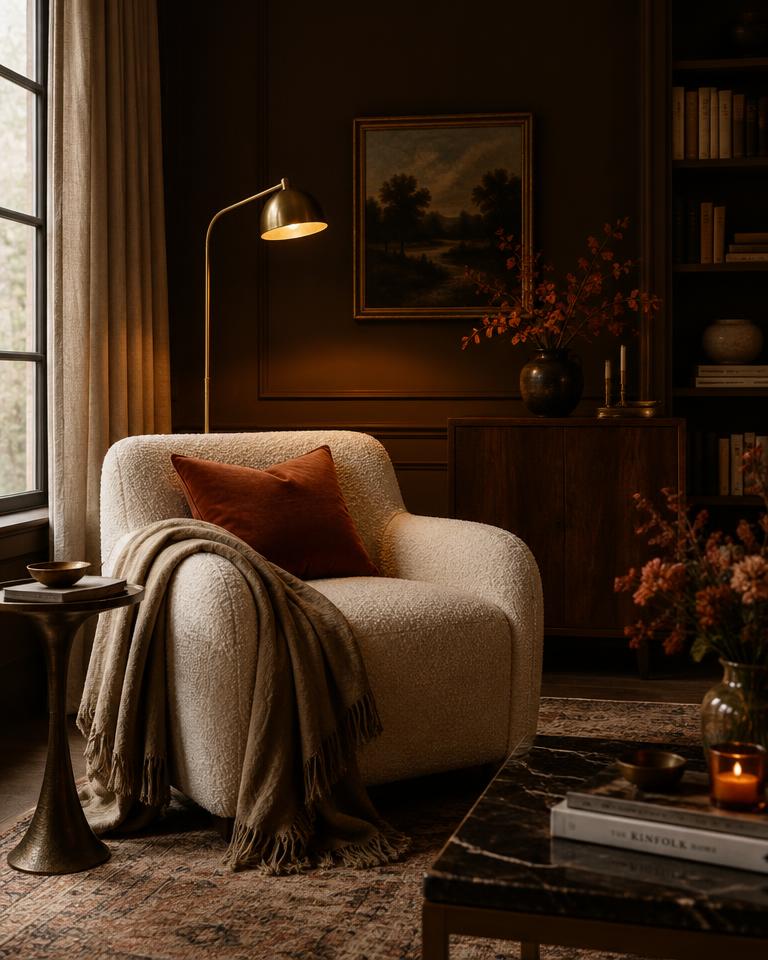
- Linen, wool, and bouclé for upholstery and throws that reward touch.
- Unlacquered brass and aged metals that warm to the hand and soften over time.
The acoustic layer nobody sees
Sound is one of the most overlooked parts of interior design and one of the most common sources of sensory overload. Open plans, tall ceilings, stone floors, and large windows are beautiful, but together they can make a room ring.
Constant reverberation keeps the nervous system slightly on alert. Conversations get louder, appliances feel intrusive, and the house never quite settles.
Ways to soften sound without sacrificing beauty:
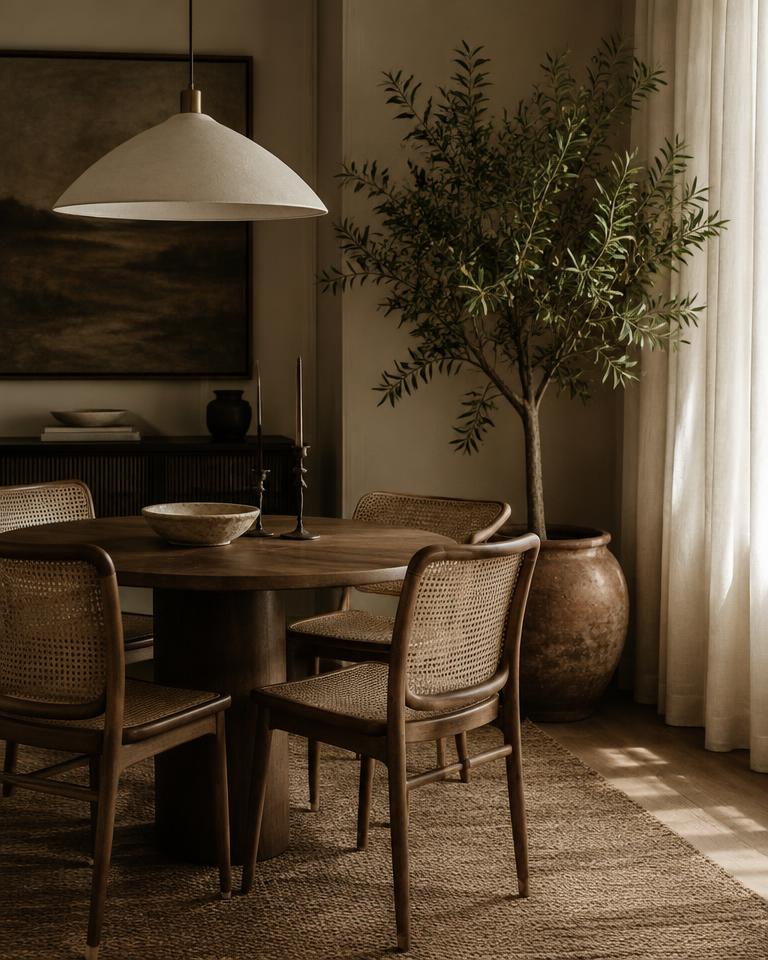
- Large wool rugs with a dense pad beneath.
- Lined, full-height drapery rather than bare glass.
- Upholstered headboards, banquettes, and wall panels wrapped in fabric.
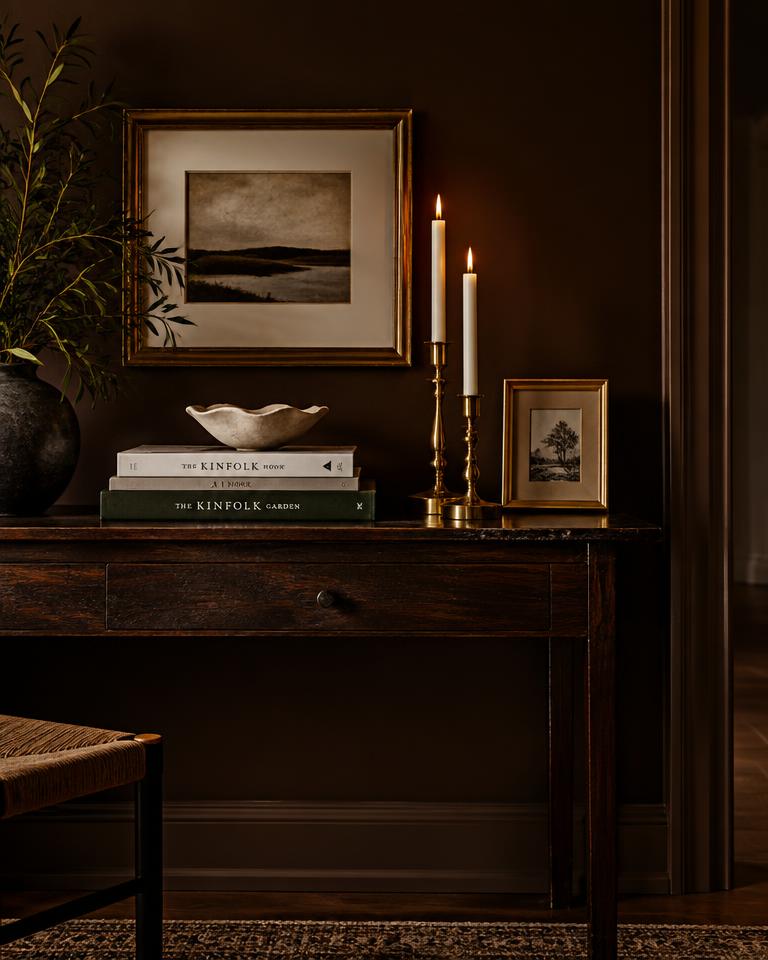
- Bookshelves filled with books, which diffuse sound naturally.
- Soft-close hardware and quiet appliances in the kitchen.
A quiet room is one of the most underrated luxuries in a home.
Light, glare, and visual intensity
Bright overhead lighting, reflective surfaces, and flicker can all feel harsh, especially in the evening. Sensory-friendly rooms favor light that is layered, dimmable, and warm, coming from several lower sources instead of one bright ceiling fixture.
Matte finishes, indirect lighting, and lamps with fabric or opal shades help a space feel softer. The goal is a room that lets the eyes relax rather than one that keeps them working.
Weight, enclosure, and feeling held
Many people find comfort in a sense of enclosure. A deep chair with high arms, a window seat, a bed tucked into an alcove, or a heavy throw across the lap can feel steadying in a way an exposed sofa in the middle of a room does not.
Seating that supports the back and gives a clear view of the room tends to feel safer than seating that faces away from a door. Small details like these add up to a space the body can actually rest in.
Creating a decompression room
Not every room needs to be low-stimulation. Kitchens and gathering spaces can stay lively. What most households benefit from is at least one place designed specifically to reset.
A decompression space might include:
- A limited, warm palette with soft contrast.
- Dense textiles underfoot and on the walls for acoustic calm.
- Dimmable, low lighting with no bare bulbs in view.
- One deeply comfortable seat, sized for curling up.
- Very few objects, each chosen for touch or meaning.
- A door that closes.
It does not need to be large. A former guest room, a reading corner, or a well-planned primary suite sitting area can all become this kind of retreat.
Designing around your senses, not a trend
Everyone has a different sensory profile. One person craves the cool smoothness of stone; another finds it uncomfortable. One person loves a sunlit room; another needs control over every window. There is no universal recipe.
That is why I begin by understanding how you respond to space: what makes you exhale, what makes you tense, which rooms you avoid and why. You can read more about how that unfolds in designing a home that supports the ADHD mind and in our design process.
If you are ready for a home that feels as good as it looks, begin the conversation.
This article shares design guidance and is not medical advice. For sensory processing or neurodevelopmental concerns, please consult a qualified healthcare professional.